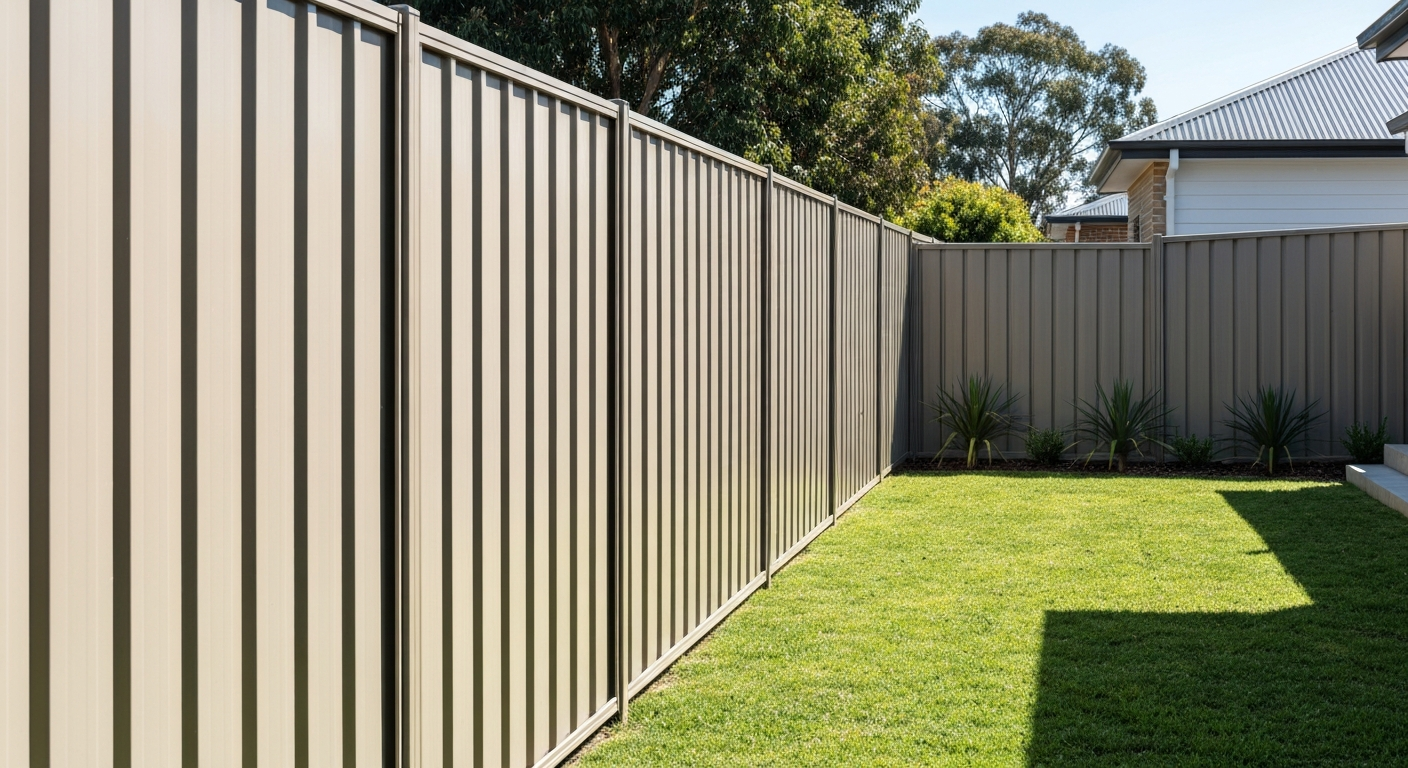
How Fence Contractors Lessen Yard Disruption
Every backyard is a little community. Lawn hides lawn sprinkler lines. Mulch cradles brand-new roots. Crushed rock paths reveal the last footprint for hours. When a fencing project rolls in with trucks, blog posts, concrete, and power devices, that environment can obtain torn up fast. Good Fence Contractors deal with a yard like a backcountry path that is entitled to cautious maneuvering, not like a jobsite to bulldoze. The best work looks practically as if the planet chose to expand a fencing on its own.
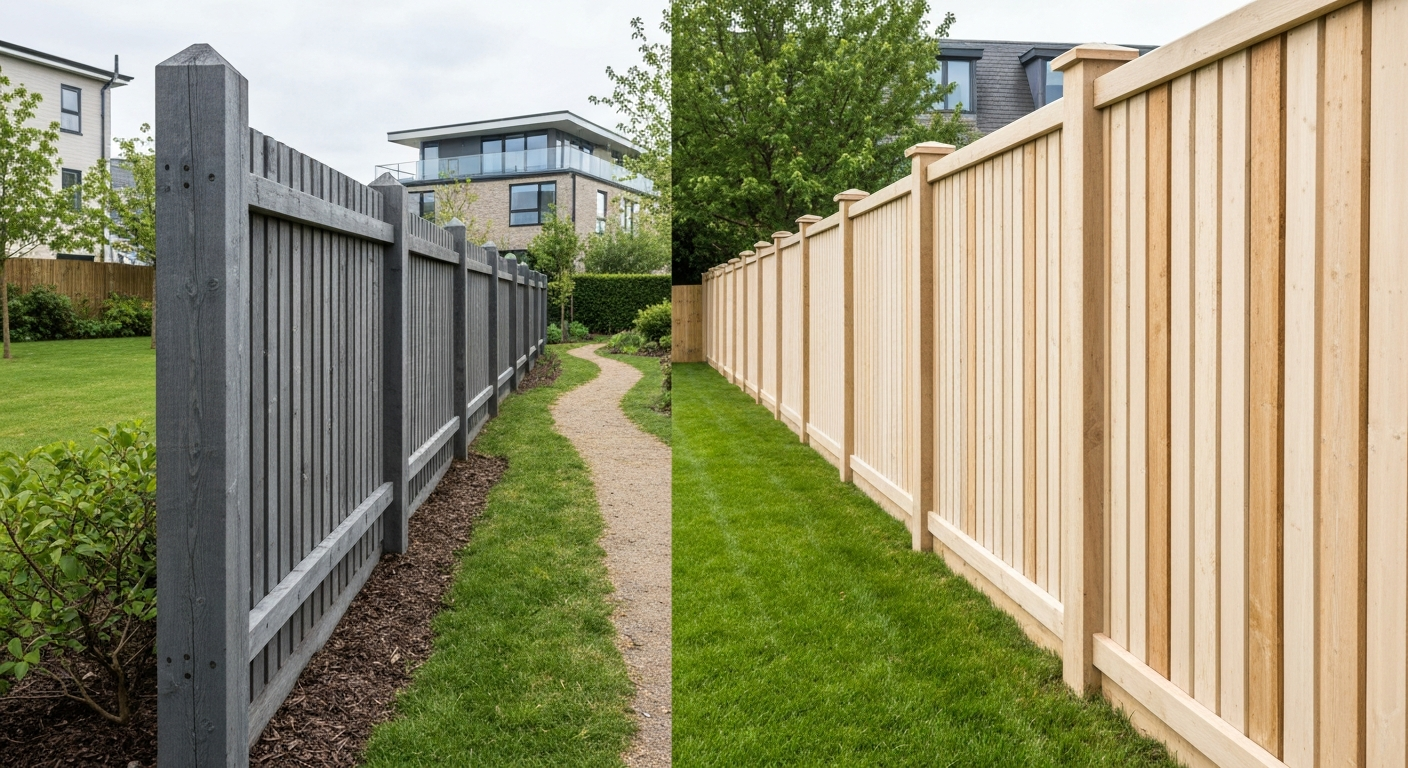
I have actually set up fencings via soaked springs, heat waves, and area block events. I have browsed yards with champion roses on one side and a koi fish pond on the various other. There is a craft to entering, establishing posts directly and deep, and going out again with the yard intact and the customer smiling. Right here is how a skilled Fencing Contractor plans and carries out for marginal disruption, and what you can do to help them succeed.
Scouting the Site Like a Trailhead
A mindful format day saves a lawn. The very first check out is about mapping the course, not moving dirt. An experienced fence installer strolls the residential or commercial property with a canister of inverted spray paint, a string line, and a note pad. You can find the pros by just how they move. They pause where grade modifications. They squat near trees. They map the line of an existing wall surface with their hand, seeking bulges and dips.
Utilities get cleared before anything else. In most areas you can request utility locates 2 to 5 organization days before digging. That notes gas, electrical, phone, and fiber. Those flags and paint lines are suggestions, not gospel. Good specialists still dig meticulously within 24 inches of a mark. Exclusive energies live outside the paint: watering pipelines, landscape lights, drainage corrugates, invisible canine fencings. A veteran Fencing company will certainly ask about those and might use a probe rod or a low-pressure vacuum cleaner to confirm midsts near suspicious areas. When a homeowner claims, "I believe the lawn sprinkler main mores than here," we pay attention like a hiker pays attention to a weather report.
Grades, trees, and accessibility are the following checkpoints. On a level patch you can auger clean openings and hardly ever mess up the turf. On an incline, the choreography shifts. You could require tipped sections or racking panels. Around a heritage oak you can not just cut origins. A Fence Company with arborist sense will flex the line 5 inches if that shields a feeder root. If secure access is tight - say a 36 inch gateway to get to the yard - the team prepares for compact equipment, panel hosting, and more hand job. Fewer trips equivalent fewer ruts.
Even the fencing style impacts the impact. Light weight aluminum rackable panels slot in with much less fumbling than hefty cedar. Vinyl messages are lighter, yet lots of systems ask for larger openings. Steel posts driven rather than set in concrete leave the least mess of all, assuming the dirt invites that technique. That judgment comes with mileage.
Equipment Choices That Regard Turf
You can draw a straight line between equipment option and backyard scars. A thoughtful fence installer picks devices the way a mountaineer picks boots.
For opening production, a 2 person hand auger is slow and stable, especially inside decorative beds. A compact skid guide with a 9 or 12 inch auger chews through clay and glacial till, but it considers 3,000 to 8,000 pounds with add-ons. I only bring a device on the yard when soil is tough or the run is long. When I do, I put down plywood or ground protection floor coverings to spread out the lots. One 4 by 8 sheet of plywood can cut tire ruts from half a day's work. On limited turns by patio areas, relocating the equipment on rubber tracks as opposed to tires assists. For really delicate grass in spring, we park the machine at the aesthetic and wheel spoils in pails. Slower, much cleaner.
Vacuum excavation is a silent hero in complicated lawns. A small hydro-vac with a wand and water stress reduces a neat hole without tearing origins. It beams near energies and in beds with drip lines. Not every Fencing installer invests in this tool, and not More help every soil responds well, however if a customer points to valued landscaping, I discuss it as an option.
Sawing and reducing stations are one more concealed resource of mess. You do not require to claim half the grass for a slice saw. A simple sacrificial plywood table by the driveway regulates sawdust and maintains neighbors from capturing cedar confetti in the breeze. All bolts and little parts reside in containers, not on tarps that come to be trip threats. Precision staging keeps a site tidy.
Strategies for Message Openings that Don't Swallow a Yard
Digging well is half the battle. The remainder is what you make with the dust. I discovered early that the best hole is unseen by suppertime.
Hole positioning starts with string lines and batter boards, not "eyeballing it." Strings are set simply off the final fencing line to prevent scrubing wet concrete. With edges locked, we note facility factors for each and every article using a paint dot no larger than a coin. Those dots maintain the yard from looking like a parking area. When a client prepares future beds, I move holes a pair inches within resistance to avoid root balls. That sort of nimble play matters.
In soft grass, turf connects come out first. I reduced a cool circle with a turf knife, established the plug on a plastic tray, and maintain it damp. When the article sets, that specific plug returns over tamped backfill. You can not inform an opening was there a week later. On fescue or rye, the joint blends after a mowing. On Bermuda, the plug weaves quickly with summer heat.
Spoil management separates pros from pretenders. Fluff element is real. A 9 inch by 30 inch hole produces regarding 1.5 to 2 cubic feet of spoil, which blows when it leaves the ground. On a 100 foot fence with 12 posts, that is 18 to 24 cubic feet, nearly a backyard of loosened dirt. Discard that anywhere and you will choke turf. We pile spoils on tarps along the line, not in mounds that move right into beds. If a soil pile encounters rain, we cover it. If there is nowhere to save spoils without smothering yard, we fill it bent on a trailer in stages. Several customers do not require the dirt back. When they do, we feather it slim along low spots after the fencing goes in.
Concrete usage requires finesse. Bag-mix around messages can splash, discolor, and leave swellings if put thoughtlessly. I choose a regulated slurry or dry pack technique depending upon the dirt. Dry pack sets with moisture from the planet and a regulated enhancement of water, which suggests less drainage. On sloped lawns, I set a dust dam with a trowel so water can not bring paste away. Fiber-reinforced foam collection is one more alternative for aluminum and light steel blog posts. It evaluates a portion of concrete and includes much less transporting, which typically means much less traveling throughout the lawn. It is not the right option for every single load or frost condition, however it has an area in the kit.
In frost areas, bell-bottomed openings resist heaving but can consume turf if you go also wide. A sharp clamshell digger can reduce a cleaner bell by hand than a plain mechanical auger. Good judgment right here settles years later when the fencing keeps its line after a winter of freeze-thaw.
Pathways, Pads, and the Art of Not Leaving Tracks
Most damage does not come from the excavating. It originates from relocating individuals, panels, and articles back and forth, hour after hour. The service is choreography.
Staging areas belong on hardscape: the driveway, a patio area, or a compressed gravel location. If the only choice is grass, we present a short plywood path from the visual to the staging pad. Wheelbarrows traveling on that particular runway. When we transform, we turn vast so we do not grind a rut. On lawn sprinklers, we lift the plywood thoroughly instead of dragging it. Pierce a head once and you bear in mind forever.
Catch floor coverings live under saws and mixers. A 6 by 8 tarp takes seconds to release and a min to drink clean. When blending concrete, we bring water to the mixer, not the mixer to the hose pipe. Those small selections diminish the job's footprint.
Weather matters. Clay dirt in the rain acts like a toddler with finger paint. If a damp spell impends, I call customers and move the schedule as opposed to churn their grass to soup. If we can not avoid it, we exchange heavy tools for hand work and restriction passes. Occasionally we seed and straw the few mud marks we can not prevent. I have actually never ever had a customer distress that we waited 3 days for the yard to completely dry. I have actually had customers distressed at ruts that take a month to heal.
Posts Without Concrete: Driven, Helical, and Sleeved Options
If the yard is a museum item, take into consideration blog post systems that disrupt much less ground. In firm soils, a steel post can be driven with a pneumatic driver. The opening disappears because there is no opening. The method is line and plumb. A liquid chalked string, a post level, and a steady hand with the motorist keeps the run crisp. Driven systems beam with decorative steel or aluminum.
Helical piles with tiny blades turn right into the soil with a portable or skid-steer-mounted driver. You review torque as a proxy for bearing ability, after that bolt a sleeve or brace for the fencing blog post. The ground interruption is barely wider than the pile shaft. Helical is pricier in products, less costly in cleanup, and optimal around mature roots due to the fact that you do not cut through a web of feeders. I have actually used helicals near maples and enjoyed the foliage thank us the next season.
Sleeved articles allow you set a larger housing when, level and lock it, then go down the finished article after the mess is gone. On renovation work where bushes crowd the line, sleeves save branches from wrestling suits. Each technique trades greater planning for less footprint.
Respect for Origins, Rocks, and the Hidden Life Underfoot
Trees, roots, and old dirt tell their own tales. A Fence Contractors group with perseverance reads them. I have pried out a solitary granite patch the dimension of a watermelon that sat exactly where a gateway lock wanted to live. Choices because minute: defeat the rock to crushed rock with a breaker, shift the lock 3 inches, or raise the fence line a hair and keep the latch where it works finest. The appropriate phone call fits the site.
Large roots within the outer third of a canopy likely feed the tree. Cut too many, and the canopy thins next year. Most of the times, I serpent a line around a root, use a half article balanced out, or bridge a short period with a rail bracket to skip an opening. A little jog that appreciates a 4 inch origin is worth greater than a laser-straight line that cripples a healthy and balanced maple.
Irrigation satisfies fence lines more frequently than individuals think. Sprinkler mains normally run 6 to 12 inches deep, valves sit in boxes, and poly laterals can meander right where you desire a post. A probing pole and a short activation of each area map the risk rapidly. When a cut occurs in spite of care, a ready Fencing Contractor lugs couplers and fixing fittings to spot it instantly. A soaked crater is even worse for lawn than a sincere, rapid repair.
Noise, Dirt, and Next-door Neighbor Diplomacy
Your yard is not the only thing at stake. Tranquility and relations with neighbors count. I knock on the gate, not simply the door, and I greet pet dogs with a tranquil voice. This appears little. It calms the day. I alert neighbors if augers or chauffeurs will run prior to lunch. I cut cutoffs with a chop saw on a rubber mat to silence the clang. I maintain dirt flying west, not into the neighbor's patio collection. A site can be tidy and still be irritating if a person screams over a generator for hours. Battery drivers and hand-operated tampers aid here. So does preparation cuts in batches.
On shared fencings, offsets of inches issue. A string on the property line maintains moods cool. Where 2 backyards break at a bush, I note the line with flags and take photos. A Fencing company with steady excellent habits saves you a weekend break disagreement by assuming ahead.
The Minimal-Disruption Playbook
Here is the short variation of how a mindful fence installer maintains a yard looking like itself:
- Confirm utilities, probe for personal lines, and change design within resistance to dodge roots and pipes.
- Stage on hardscape, lay plywood courses, and maintain hefty equipment off the lawn when possible.
- Cut sod connects, tarp spoils, and backfill clean with compaction that matches the surrounding soil.
- Choose installment approaches that fit the site - driven articles, helicals, or sleeves where appropriate.
- Clean as you go, seed any scuffs, and stroll the line with the owner prior to loading up.
That is the routine I educate new team members. It is not fancy. It is just how you leave a lawn ready for bare feet.
When Big Yards Need Large Gear
Some work press the needle. A 600 foot farming keep up woven cable on T-posts pleads for a tracked device. A commercial chain-link border with 60 messages on a crushed rock great deal indicates core exploration and vacuuming dirt. If you employ a Fence Company for a project like that, ask exactly how they will stabilize the course. On farm installs, we often drive a portable track loader along an area edge rather than going across a lawn. On crushed rock, we tape a vacuum cleaner to the drill gear so clouds of dust never ever take place. Industrial work still gain from homeowner-grade respect. A tidy course reduces the cleaning time sharply.
On long household lines, I break the task right into sheaths, 40 feet at a time. By doing this tarpaulins and mats hopscotch onward and you never ever see the whole lawn in change. Teams that spread dig 100 holes at the same time wreak havoc and compaction. Teams that run coverings maintain control.
Weather Windows, Frost Lines, and Soil Moods
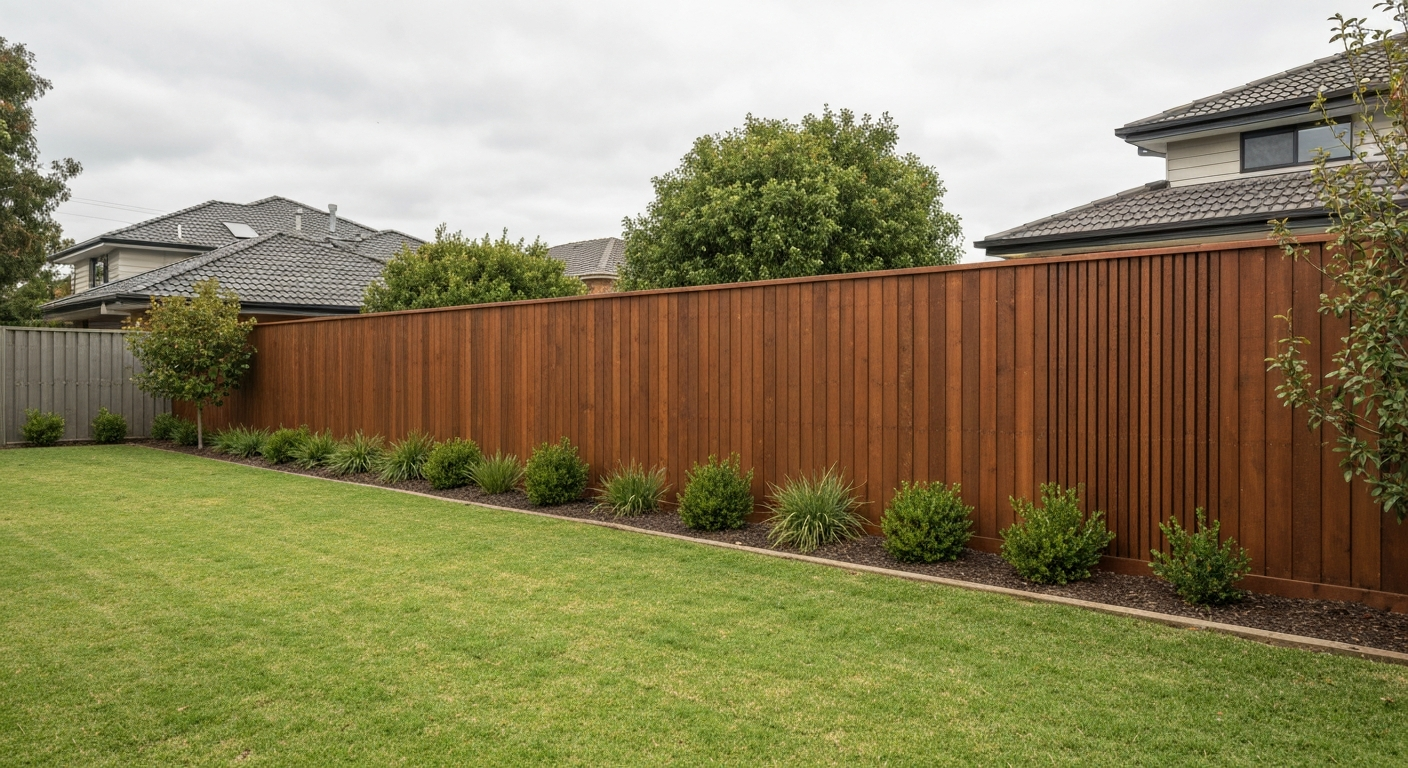
Soils have individualities. Sand drains and collapses, so you dig slim and established quickly. Clay smears and holds water. If a rainfall rolls in on clay, a hand auger can brighten the wall surfaces and produce a sleeve that resists bonding. The repair is simple: rough up the walls with a clamshell digger and bell all-time low a touch, or switch to a pier that attacks deeper listed below the mush zone. Details like that protect against message movement and conserve return visits.
Frost deepness sets the minimum hole deepness in lots of areas. Set shallower and heave will certainly raise a fence like a poor magic trick. Go much deeper and the lawn impact expands. An experienced Fencing Contractor equilibriums code, soil, and lots. On light picket fence sandy, unfrosted areas, 18 to 24 inches with compaction can be plenty. On six foot privacy in Minnesota clay, 42 inches prevails, and the work reduces to secure grass in the cold. You can not cheat physics, but you can plan for it.
Summer warmth alters the regulations as well. Concrete flashes fast, which implies much less water on website and less drips. Turf can scorch under piles of spoil in an hour. We cast smaller sized spoil piles, put them in color, and relocate quicker from opening to hole.
The Difference In between a Fence Installer and a Lawn Partner
Plenty of people can set panels plumb. The distinction shows up in the small talk and the tiny acts. I ask what gate swing clears the lawn mower path you really use, not the one we laid out in a vacuum cleaner. We make use of bungee cords, not wire ties, to hold branches during the day so bark never scars. We pile panels with foam spacers to secure the coating. At lunch, we coil hoses back where we discovered them so no one journeys. These are behaviors you get from years of fixing small problems before they matter.
A Fencing company that treats lawns as partners costs for that treatment. You will certainly see it in a bid that consists of ground security, spoil haul-off, and a site-walk at the end. If a quote is unclear where the grass fulfills the work, request specifics. The cheapest number on paper can come to be the most pricey job when you are reseeding in September.
A House owner's Prep That Makes All the Difference
Here is a quick checklist you can run a day before the team gets here. Five small steps can save your yard and your nerves.
- Mark private lines and attributes: reveal sprinkler valves, canine fences, low-voltage runs, and hidden backyard drains.
- Clear the line by 2 to 3 feet: relocate furnishings, playthings, and planters so installers do not develop detours on the grass.
- Water the yard gently the eve in heat: damp dirt cuts dirt and aids clean turf plugs hold shape.
- Reserve vehicle parking and access: leave driveway space and, when possible, unlock side entrances so courses remain short and contained.
- Snap a couple of photos of the yard: you will certainly have a recommendation for plant placements and grass problem prior to work starts.
Clients that do this see teams glide. Little preparation shrinks the work zone and maintains web traffic predictable.
Edge Situations and Judgment Calls
Every fence has at the very least one moment where the book goes out the home window. I bear in mind a yard with a soft, spring-fed patch that looked completely dry till you stepped in. The run required an edge message dead center because sponge. 3 options: move the edge 18 inches to a stronger spot, pour a large footing that would probably change anyway, or screw in a helical heap to get to strong layers four feet down. We chose the helical, bolted a steel blog post to it, and developed a cedar cover so the ended up appearance matched the remainder of the fence. The yard never saw a splash of concrete. 2 seasons later on the line is still tight.
Another task involved a narrow city whole lot with a treasured rose hedge embracing the residential property line. Trenchless it was not, but we got close. We set sleeves in other words night sessions after the roses were tied up, maintained lights reduced, and utilized hand devices. We took two additional days and conserved twenty years of growth. The home owner sent out a bloom a month later on. You will not locate that in a spec sheet, yet you feel it in your craft.
Material Selections That Traveling Light
Material option affects disruption before the truck leaves the shop. Pre-finished light weight aluminum panels are light and carry well by hand. Top quality vinyl posts consider much less than soaked cedar, and their cuts leave clean chips that vacuum out of lawn. Cedar scents terrific and completes beautifully, yet each 4 by 4 soaks up water and expands heavy, making more journeys and deeper prints on soft grass. Steel articles with hidden braces wed strength with little footprints. Composite slabs run hefty, so we prepare extra mats.
Fastener selections matter also. Self-drilling screws with repainted heads minimize trips to the saw. Covert braces and rails lower area reducing. The less you trim on website, the less particles splashes right into the lawn.
The Final Stroll, and the Art of Leaving No Trace
A good project finishes with a slow-moving walk. I bring a rake, a seed bucket, and a trash can. We skim small footprints, clip roaming zip tie ends, and brush turf off the brand-new fence so the first impression is crisp. Where the auger scuffed turf, we rake gently and sprinkle seed with a pinch of garden compost. If a sod plug sagged, we raise it, include a fist of topsoil, and established it proud to work out degree. Gates swing, locks catch, and the pet examination comes last. If a Lab can push a nose along all-time low and discover no spaces to get away, we did our job.
A Fence Contractors group with satisfaction leaves a backyard set for the following weekend barbeque, not a soccer field of scars. That treatment is not expensive or loud. It is a series of clever choices baked into the day.
Choosing the Right Partner
When you purchase a Fencing company or a Fence Company, ask about greater than the panel style. Ask what they do to secure yards. Listen for certain solutions: plywood paths, tarps for spoils, turf plugs, driven or helical options, vacuum excavation on request. Ask the number of journeys their plan needs right into the backyard and where they will certainly present. If a fencing installer claims, "We figure it out when we arrive," keep looking.
Look for images that reveal turf lines limited to posts, not simply shiny fencing beauty shots. Call a referral and ask exactly how the backyard looked three weeks after the staff left. The best Fencing Contractor treats your place like a path they will trek once again. They intend to find it as quite as they left it.
When you find that companion, the experience is the excellent kind. You watch a line of articles increase directly as guards while the lawn barely flinches. The gate clicks shut. The dog examines the perimeter and surrenders, gently annoyed. The only sign of the trip is a better border and a yard prepared to get back to living.